What to check before buying a home and kitchen stocklot
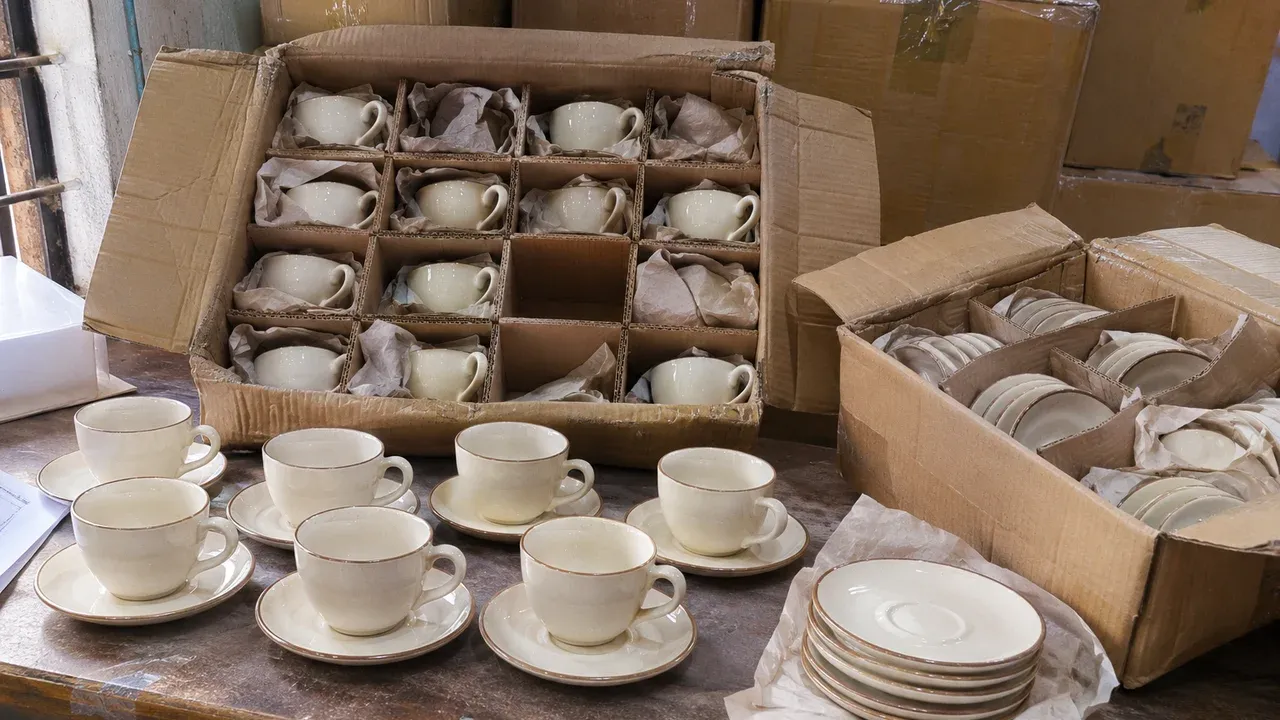
Illustrative inspection scene.
Before buying home and kitchen goods in bulk, establish what each quantity represents, which sets are complete and how the product condition was assessed. Packaging condition alone does not tell you whether the goods inside are suitable for your business.
Know the assortment and the unit
A mixed home and kitchen lot may combine cookware, tableware, storage products and textiles. Ask for an available breakdown by product type, material and size so you can assess the parts that fit your customers.
Confirm whether a quantity means individual pieces, complete sets or cartons. A set of six pieces should not be confused with six complete sets. When a manifest uses cartons, establish the contents and whether every carton has the same mix.
Check complete sets and accessories
For cookware, ask about lids, handles and any included accessories. For tableware and storage sets, confirm the pieces, matching sizes and completeness. Missing or mismatched parts should be identified separately.
Do not assume every set is complete because the outer packaging lists the original contents. Ask what was actually inspected and how incomplete items were recorded.
Separate product condition from box condition
Review chips, cracks, dents, visible wear and other known defects separately from packaging damage. Surplus, returns and mixed-condition stock need different assessments. Ask for the grading approach rather than assuming that a condition label has a standard meaning.
Photographs can support a discussion but may not reveal every surface, component or defect. Confirm whether they show the offered lot and agree the inspection scope before proceeding.
Review materials and intended use
Request the available product and material information for the goods being discussed. For products intended for food contact, heating or other specific uses, verify the relevant product information and requirements rather than relying on a generic category description.
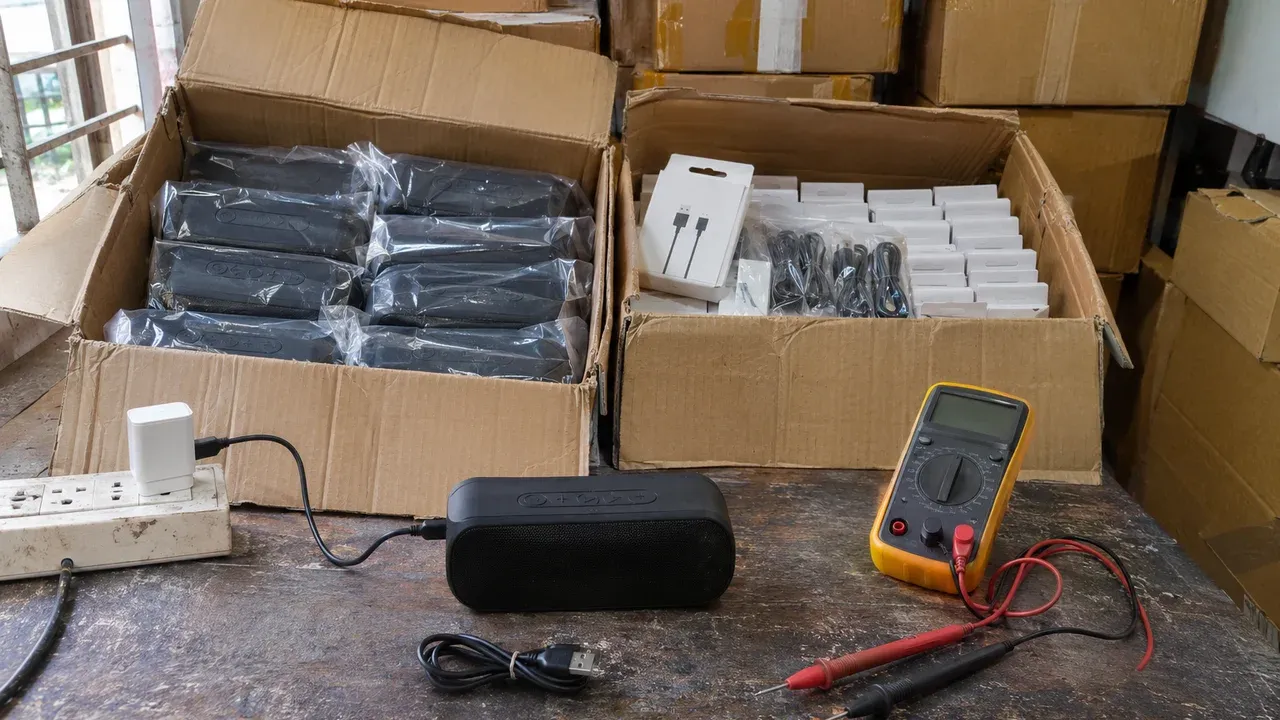
For electrical appliances, separately ask about the actual testing scope, accessories and known faults. A visual check is not a functional test; our electronics condition guide explains the distinction.
Plan handling and collection
Discuss packing and handling arrangements for fragile goods, what inspection is permitted and how discrepancies will be handled. Confirm the agreed collection location and responsibilities as part of the private transaction discussion.
Explore Home & Kitchen sourcing or share your Home & Kitchen buying requirements.