How to assess an apparel stocklot before buying in bulk
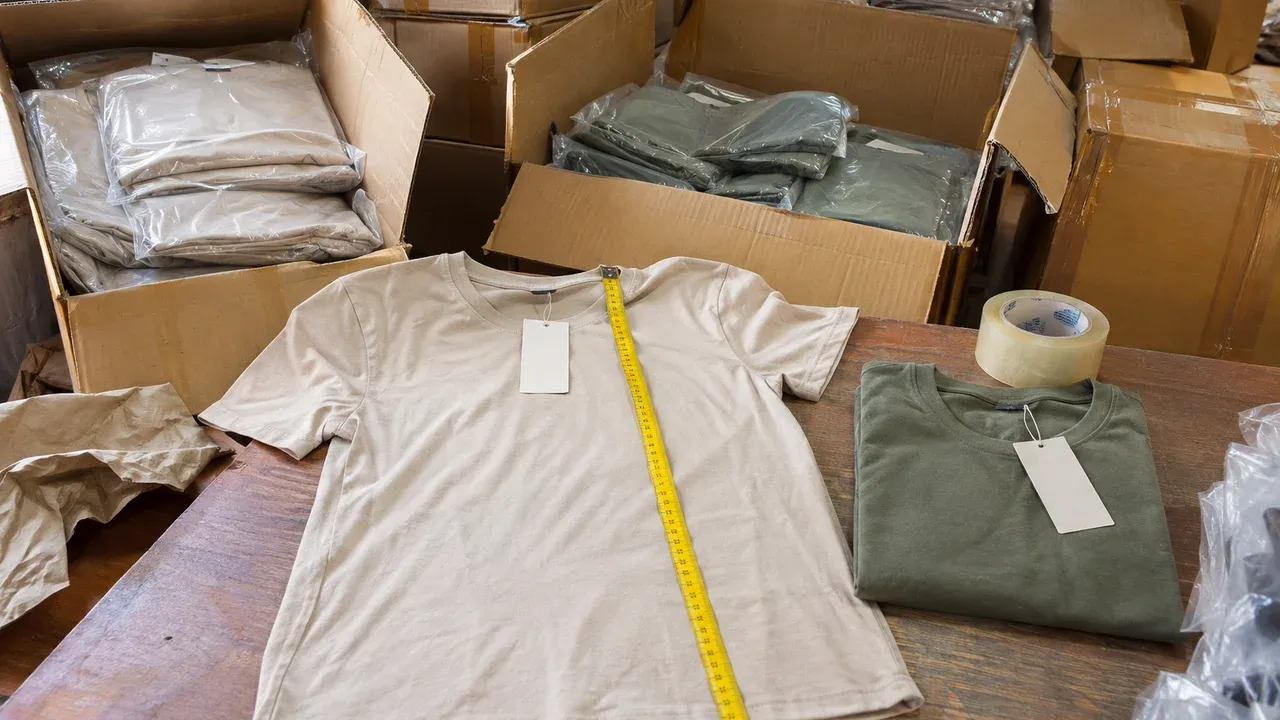
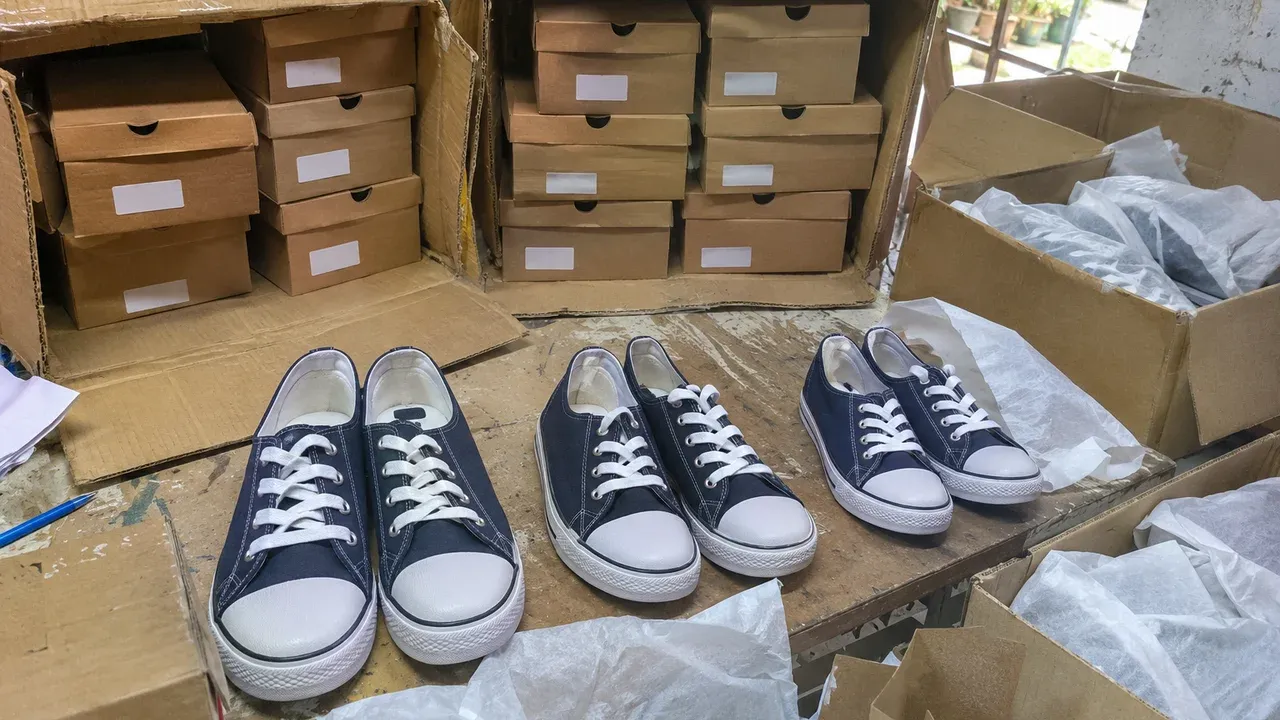
Illustrative inspection scene.
An apparel stocklot is useful only if enough of its garments suit the customers you sell to. Before agreeing a bulk purchase, review the assortment, size distribution and condition together, then confirm what inspection evidence supports the description.
Start with the assortment
Ask for a breakdown by garment type, style and colour where available. A total quantity can hide a large concentration in a style your business cannot sell. Keep your own buying brief specific: everyday basics, seasonal clothing and mixed fashion stock can require different decisions.
If a manifest is provided, check whether it describes the complete lot or a sample. Ask when it was prepared and whether quantities may have changed. The manifest should be confirmed against the stock being offered before you rely on it.
Read the size distribution
A size range tells you the extremes; a size breakdown tells you the mix. Confirm the size system and ask how many units fall in each size. Consider whether unusual concentrations suit your customers and selling channels.
Do not assume that a sample garment represents the sizing of every style in a mixed lot. Where practical, inspect measurements and labels for the product groups you expect to sell.
Separate the condition questions
- Fresh surplus: ask about storage, tags, packaging and any known defects. Surplus status alone does not establish that every unit is fault-free.
- Customer returns: ask whether garments were inspected, why they were returned where known, and how used or damaged pieces were separated.
- Damaged labels or packaging: establish whether the issue affects only presentation or also the garment, and whether it creates any restrictions on resale.
- Mixed condition: request the available grading method and its limitations. Avoid treating a rough estimate as a verified count.
Plan a representative inspection
Agree who can inspect, where, and what can be opened or checked. Photographs may help with the discussion but cannot establish every unit’s condition. A sample taken only from an easy-to-reach carton can miss variation elsewhere in the lot.
Record what was actually reviewed, any gaps and the treatment of discrepancies. Inspection arrangements and acceptance terms belong in the private transaction discussion.
Make the buying brief useful
Specify your preferred garment types, size mix, acceptable condition, approximate quantity and purchase region. This makes it easier to assess whether a potential lot deserves a closer look.
Explore apparel sourcing or share your apparel buying requirements. Availability and lot details are confirmed privately.