Tested, open-box and untested: ask what they mean
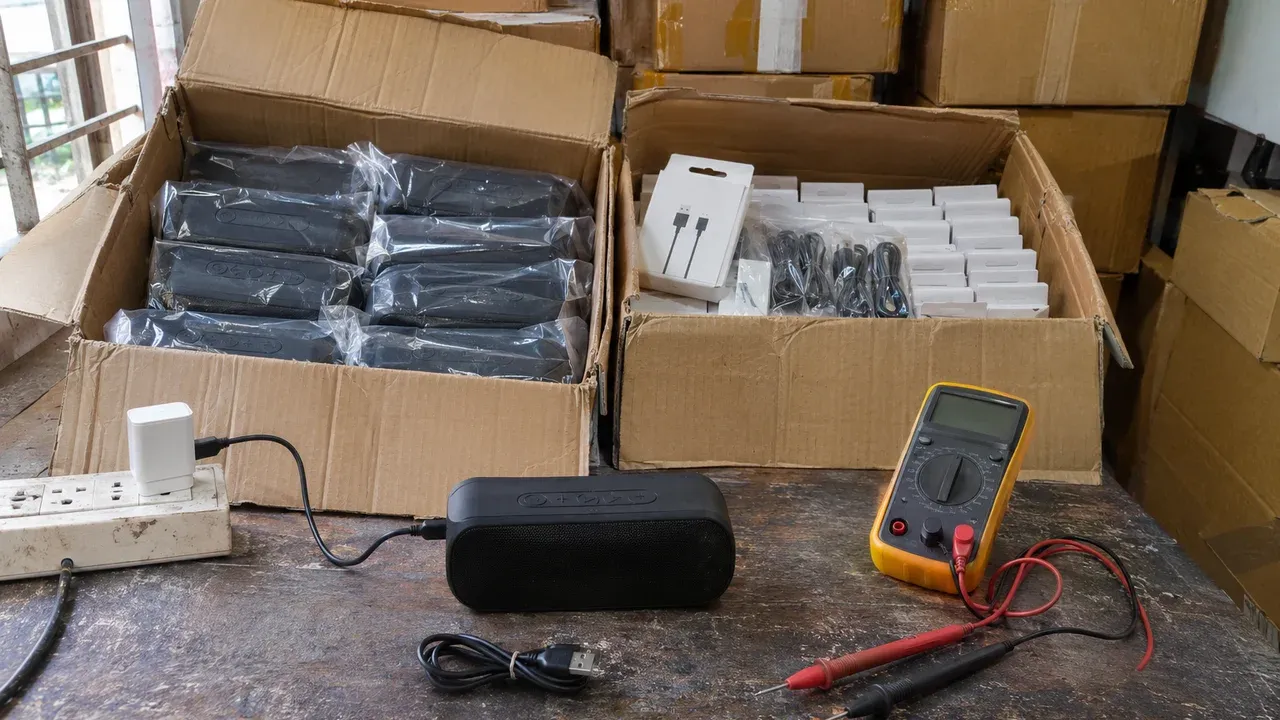
Illustrative inspection scene.
Before buying an electronics lot, ask what checks were performed and what evidence is available. “Open-box” describes packaging status; “tested” needs a defined test scope; and “untested” must never be treated as an assurance that products work.
Open-box is a starting description
An opened package does not explain why it was opened, whether a product was used or which functions were checked. Ask whether accessories are included, whether the condition has been inspected and whether the reason for return is known.
Avoid filling gaps in a description with assumptions. Confirm the specific models, variants and included parts for the lot being discussed.
Ask what tested actually covers
Tests can range from a basic power-on observation to more detailed functional checks. Request the test method, date, scope and recorded results where available. Clarify whether testing covered every unit or a sample.
Useful questions include:
- Which functions were checked, and which were outside the scope?
- Are known faults or missing components recorded by unit or by group?
- Were chargers and other necessary accessories used or supplied?
- Are activation or account locks known to be present?
- Does the evidence relate to the complete lot now under discussion?
The word “tested” alone does not establish a warranty or eliminate the need to agree acceptance terms.
Untested includes uncertainty
Untested goods may work, need repair, have missing parts or be unusable. Without further evidence, the proportion in each state is unknown. A buyer should assess whether its testing, handling and refurbishment capability is suited to that uncertainty.
Do not assume untested inventory has a particular recovery rate or resale value. Any estimates need their own evidence and belong in the private commercial assessment.
Keep the models and accessories clear
Ask for the available model and variant breakdown. Confirm the inclusions and exclusions: batteries, chargers, cables, adapters and packaging can materially change what your business needs to do next.
Discuss the inspection location, sampling arrangements, condition disclosures and transaction responsibilities before committing. Requirements for handling or resale should be checked for the specific product and activity.
Explain what your business can handle
Your enquiry is more useful when it names the product types you buy, acceptable conditions, purchase region and your testing or refurbishment capability. You can discuss further commercial criteria privately.
Explore electronics sourcing or share your electronics requirements.